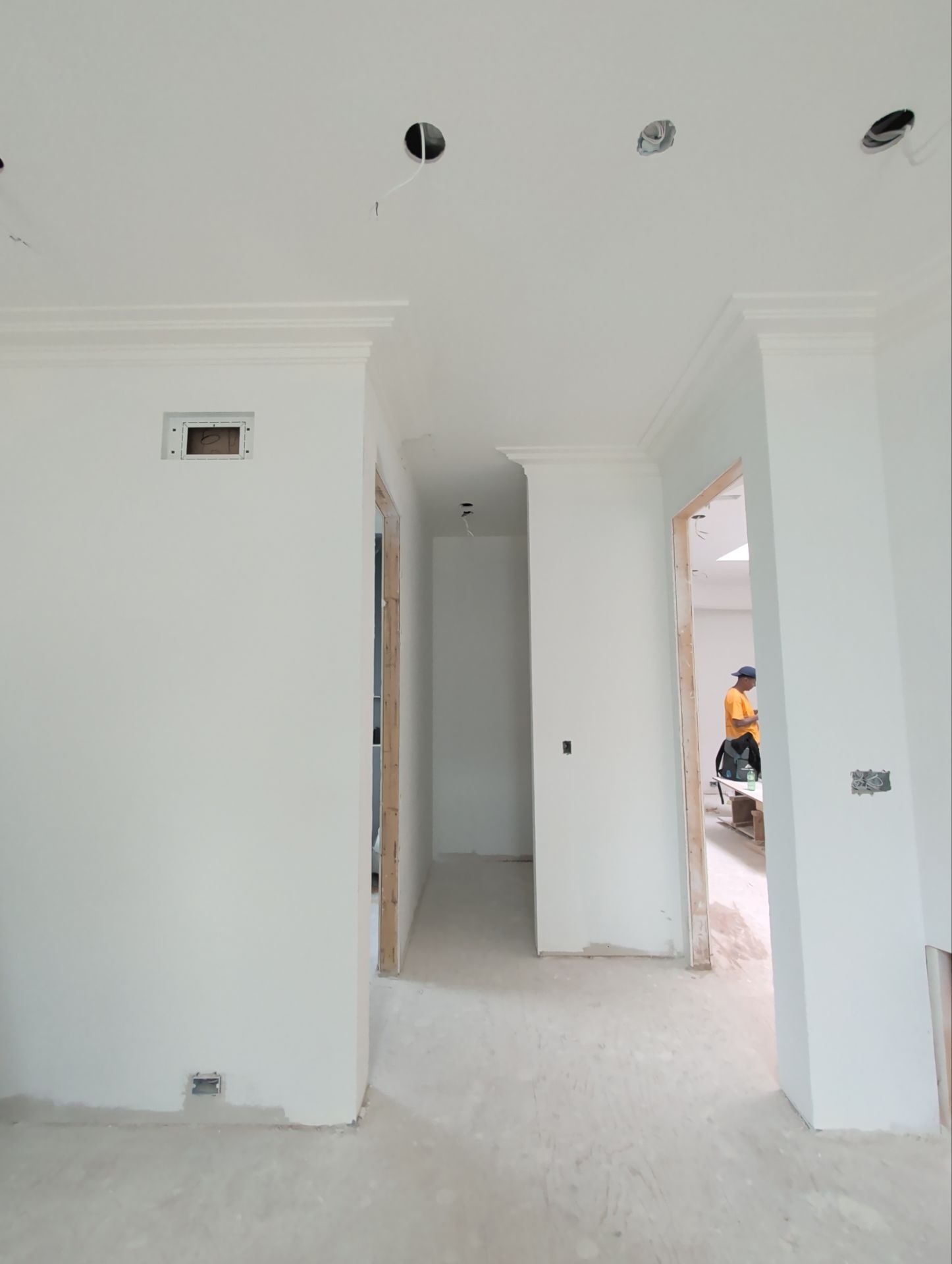
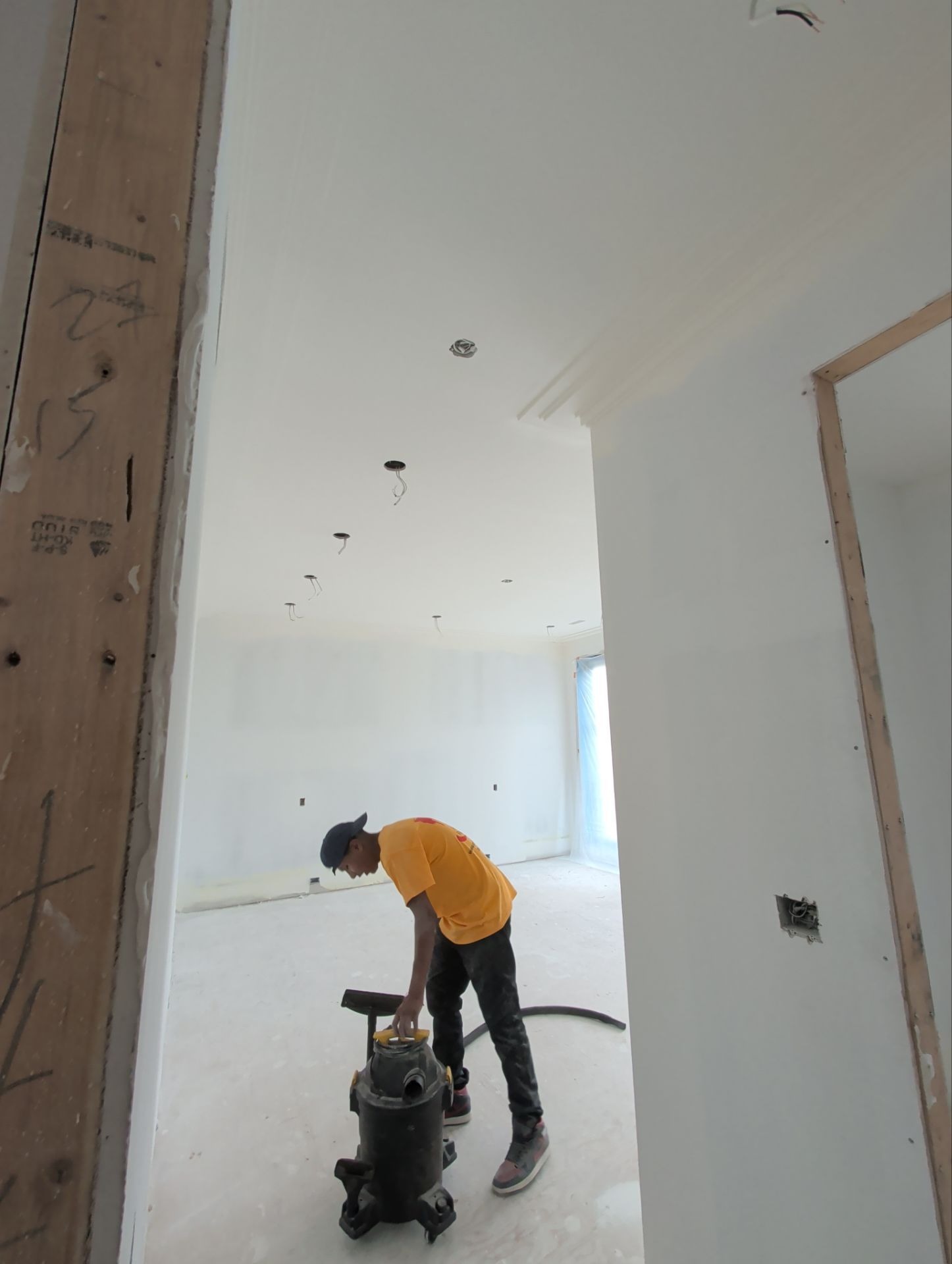
Freshly painted new build hallway and rooms — Mason new build project, Richmond Hill
A new home needs paint done right the first time. We prime fresh drywall, paint walls, ceilings, and trim before move-in, and work directly with your builder or renovator so the painting fits the construction schedule.
For renovations, we repaint after the work is done, tying the new work into the rest of the home for a clean, consistent finish, ready for moving day.
Fresh drywall is primed and painted properly, so the finish is even and durable from day one.
Whole homes are painted before move-in, coordinated with your builder so there are no delays.
Renovation repainting matches the new work to the existing home, with a clean, consistent finish throughout.
How it works
Free quote and walkthroughWe review the plans and the site, and give you a written estimate.
Preparation and protectionFresh drywall is primed, surfaces are prepared, and finished areas are protected.
Painting and finishingWalls, ceilings, and trim are painted to a clean, move-in-ready standard.
Final walkthrough and clean-upWe walk through the home with you and leave it ready for moving day.
Painting is scheduled with your builder: fresh drywall is primed, then walls, ceilings, and trim are painted before move-in. For renovations, we repaint after the work is done and match the new work to the existing home, so the finish is clean and consistent throughout.
Every job includes thorough preparation, premium paint, tidy work sites, and a final walkthrough — backed by our 5-year warranty, WSIB coverage, and $5 million liability insurance.
Common New Build and Renovation Painting Issues Addressed by Our Team
Raw drywall, fresh plaster patches, and joint compound absorb paint unevenly, requiring exact primer applications to avoid surface flaws.
Uneven Sheen and Flashing. Unsealed drywall mud absorbs topcoats faster than paper backing, creating dull, blotchy patches known as flashing across finished walls.
Joint Compound Telegraphing. Inadequate drywall sanding and missed primer steps leave visible mud seams and tape lines showing through final paint coats.
Dust Contamination on Wet Paint. Ongoing construction activity leaves fine airborne drywall dust that settles on freshly painted surfaces, creating a rough texture.
Mismatched Touch-Ups Between Old and New Areas. Blending newly built additions into existing residential rooms often results in visible color shifts and inconsistent sheen lines.
Slow Curing in Enclosed Spaces. Newly built rooms with limited ventilation trap paint fumes and moisture, extending dry times and risking soft, tacky finishes.
Trade Damage to Fresh Coats. Other trades working after painting is complete often scuff or mark fresh walls, requiring careful touch-ups before final handoff.
Signs Your Renovation or Build Needs Professional Priming
Dull, blotchy patches visible across newly painted drywall
Visible tape lines and mud seams under overhead lighting
Rough, gritty paint texture caused by airborne construction dust
Paint peeling off unprimed joint compound patches
Color shifts where new home additions connect to old walls
Unsealed raw drywall absorbing moisture from room air
Visible roller stipple or lap marks in bright lighting
Trim and doors left unpainted after other trades finish work
Deciding When to Schedule Your Renovation Painting Project
Applying high-build primers and quality paint coats at the correct construction stage prevents surface flashing and protects your new drywall investment. Whether you are building a custom home from the ground up or finishing a basement remodel, professional build painting delivers clean, showroom-quality results. Our team coordinates directly with trade schedules to ensure your painting project is completed smoothly on time.
How New Home Build & Renovation Painting Works
We check the drywall first.We look at how smooth the drywall and joint compound are, talk about the builder's schedule, and agree on colours.
The walls are cleaned and sealed.Fine drywall dust is vacuumed off the walls, then a primer made for new drywall seals the surface so the paint goes on evenly.
We paint in stages.The first coats go on after the drywall is sanded and before the trim is fitted; the final coats and touch-ups come after the floors, cabinets, and lights are in.
We check it with you.We walk through the home together in good light to check the edges and the finish, and fix any small marks before handover.
Areas We Serve
We paint homes and businesses across Vaughan, Toronto, Richmond Hill, Markham, Mississauga, Brampton, Oakville, Aurora, Newmarket, Scarborough, and Etobicoke. See all service areas →
Recent Work — Before & After
Real before-and-after photos from recent jobs.
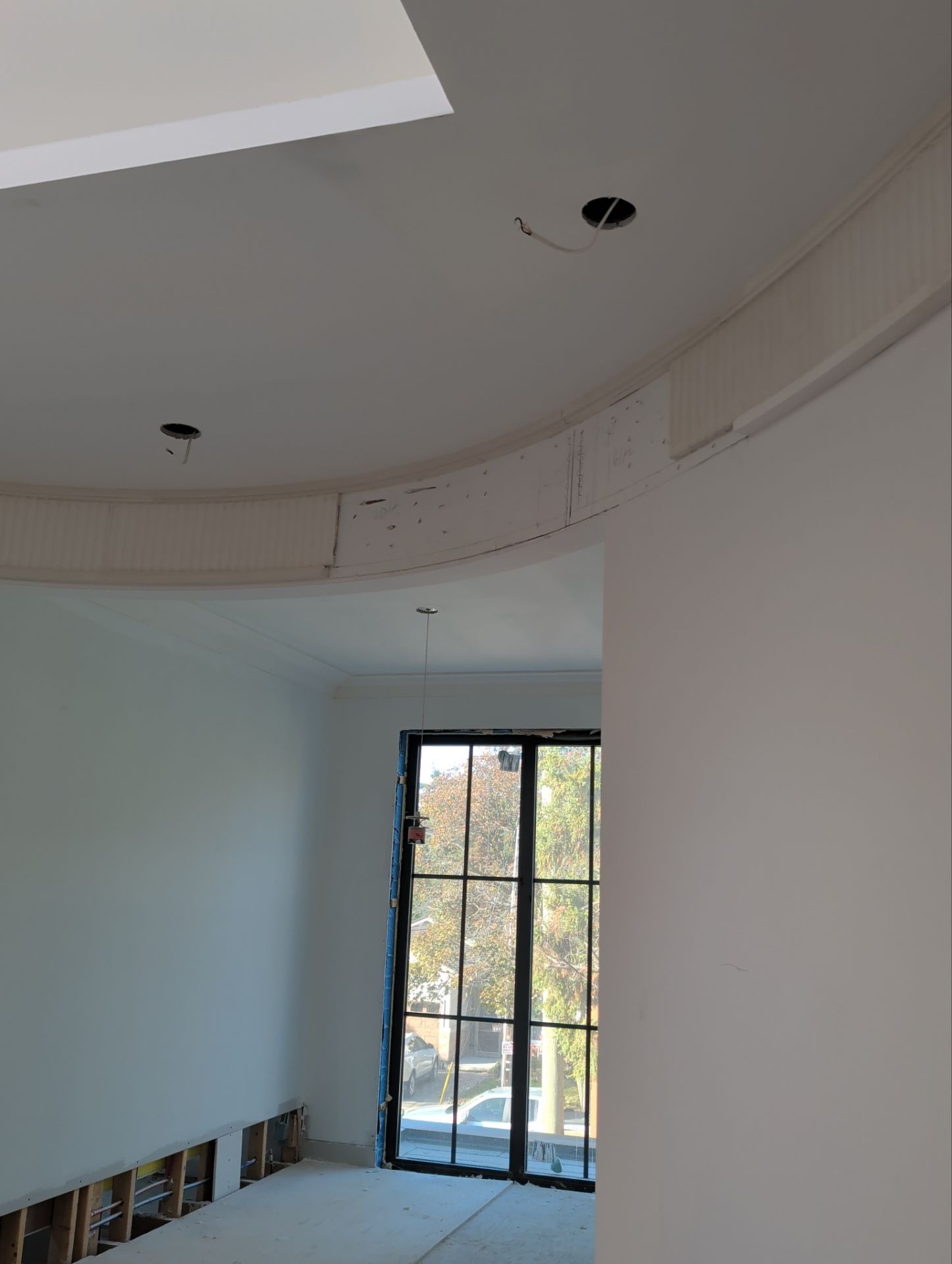
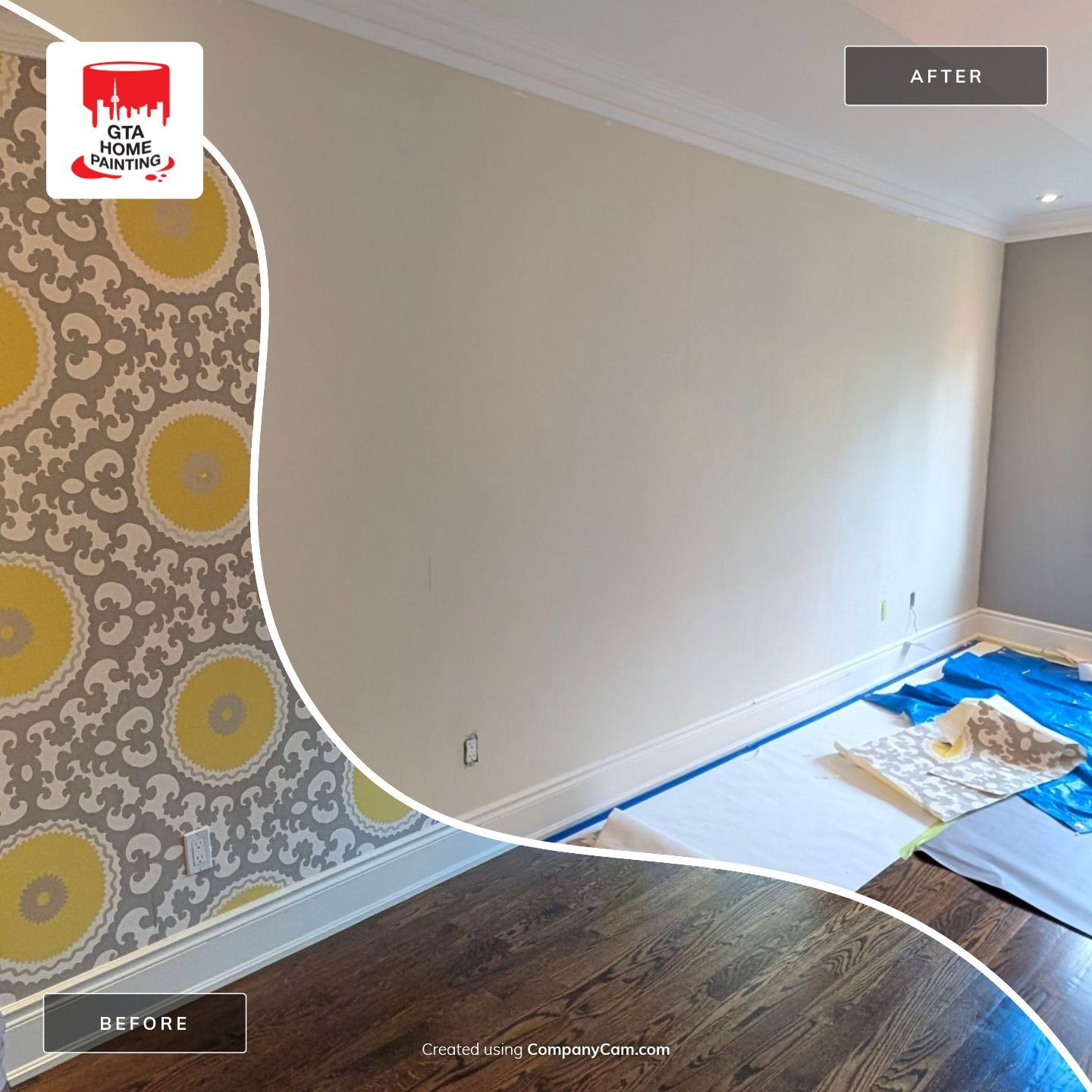
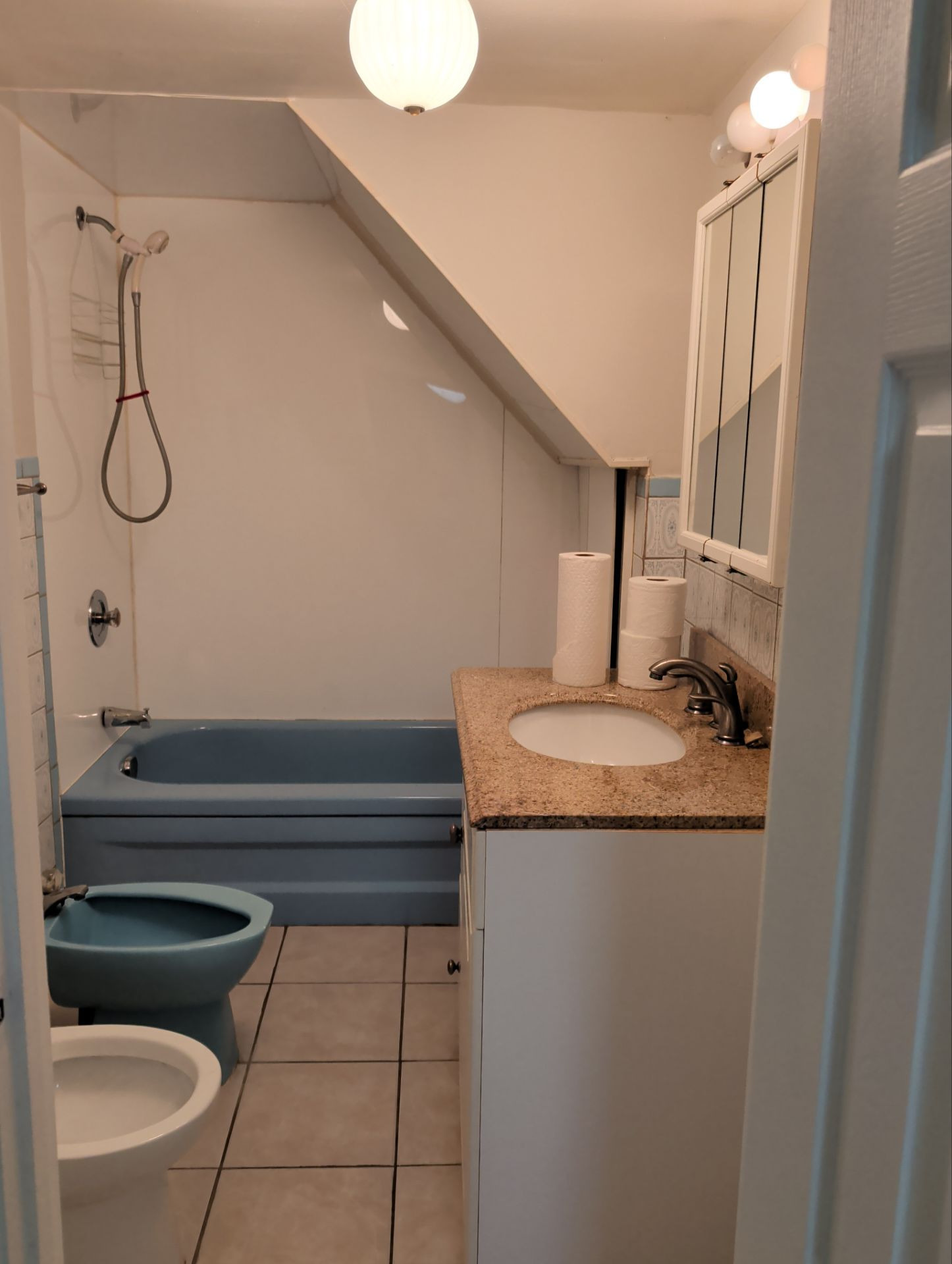
Freshly painted new build room — Mason new build project, Richmond HillFreshly painted tray ceiling with skylight — Mason new build project, Richmond HillBefore and after: yellow wallpaper removed, walls painted smooth — Kathleen new home projectFreshly painted white bathroom with blue tub — Mandy, Toronto
Frequently Asked Questions — New Home Build & Renovation Painting
Why is specialized primer required for new drywall before painting?
Raw drywall paper and joint compound absorb liquid at vastly different rates. Specialized drywall primers seal both surfaces uniformly, preventing topcoats from soaking in unevenly and creating dull, blotchy patches across walls.
At what stage of a renovation should interior painting take place?
Initial priming and first coats are applied after drywall sanding is completed and before trim installation. Final topcoats and touch-ups occur after flooring, cabinetry, and light fixtures are installed to repair minor trade scuffs.
Can you match new paint colors on a room addition to existing walls?
Yes, we utilize precise color-matching equipment to align paint shades and sheens between newly constructed additions and existing neighboring rooms, creating a seamless visual flow throughout your home.
How do you eliminate fine drywall dust before painting new walls?
We perform complete surface preparation, including vacuuming walls, sweeping floors, and using microfiber tack cloths to wipe down surfaces, ensuring no airborne dust compromises paint adhesion or smooth texture.
Do you work directly with general contractors and custom home builders?
Yes, we regularly collaborate with general contractors, project managers, and custom builders across Vaughan, adhering to strict project timelines and maintaining clear communication from initial sealers to final handoff.